Fujifilm House of Photography
Fujifilm House of Photography goes beyond retail, bringing photography, creativity, learning, and community together in one immersive space.
Category
Success Story
Published
2026
Read time
4 min read
Scope
Website Design · Visual Direction · Interaction Design
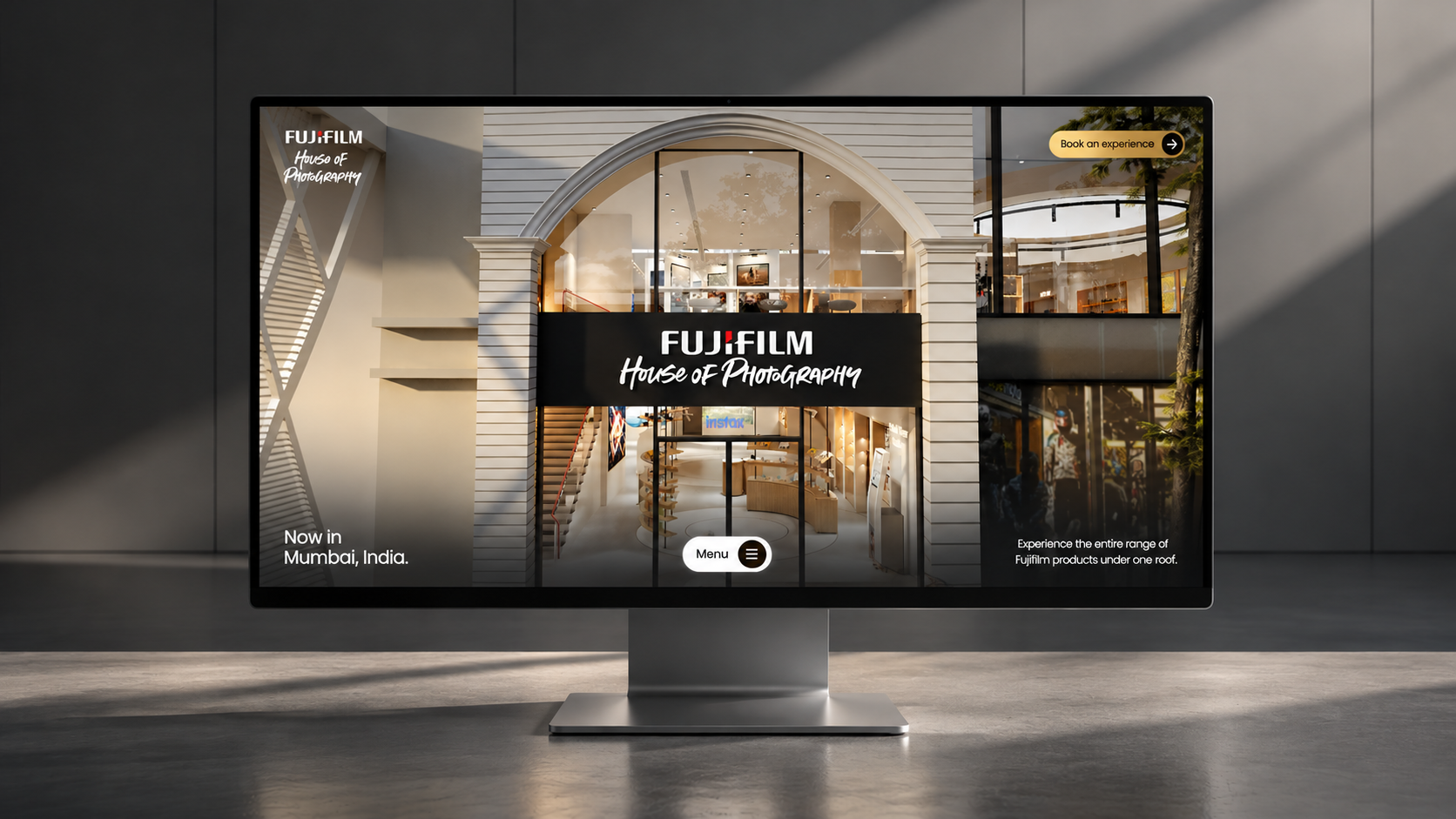
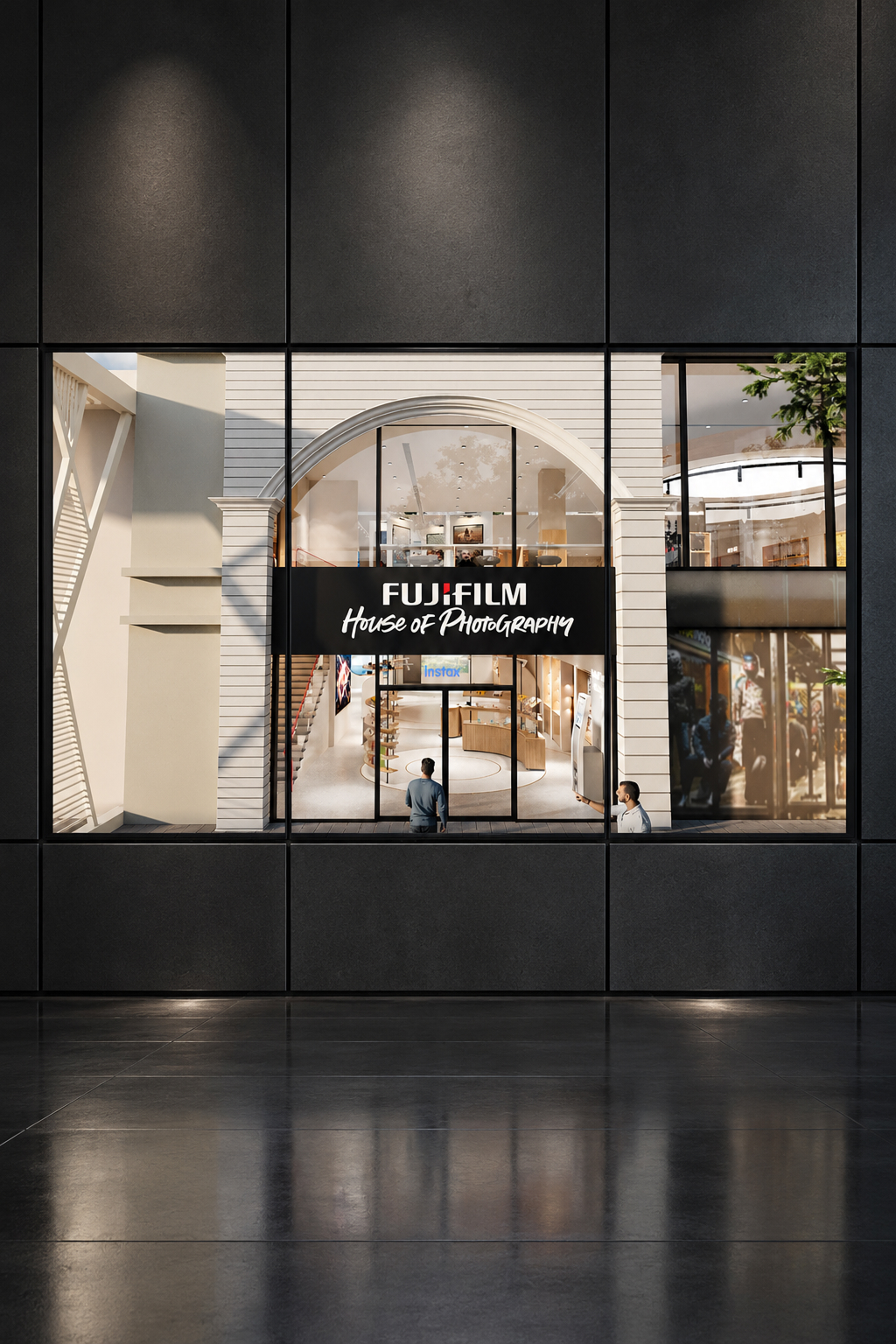
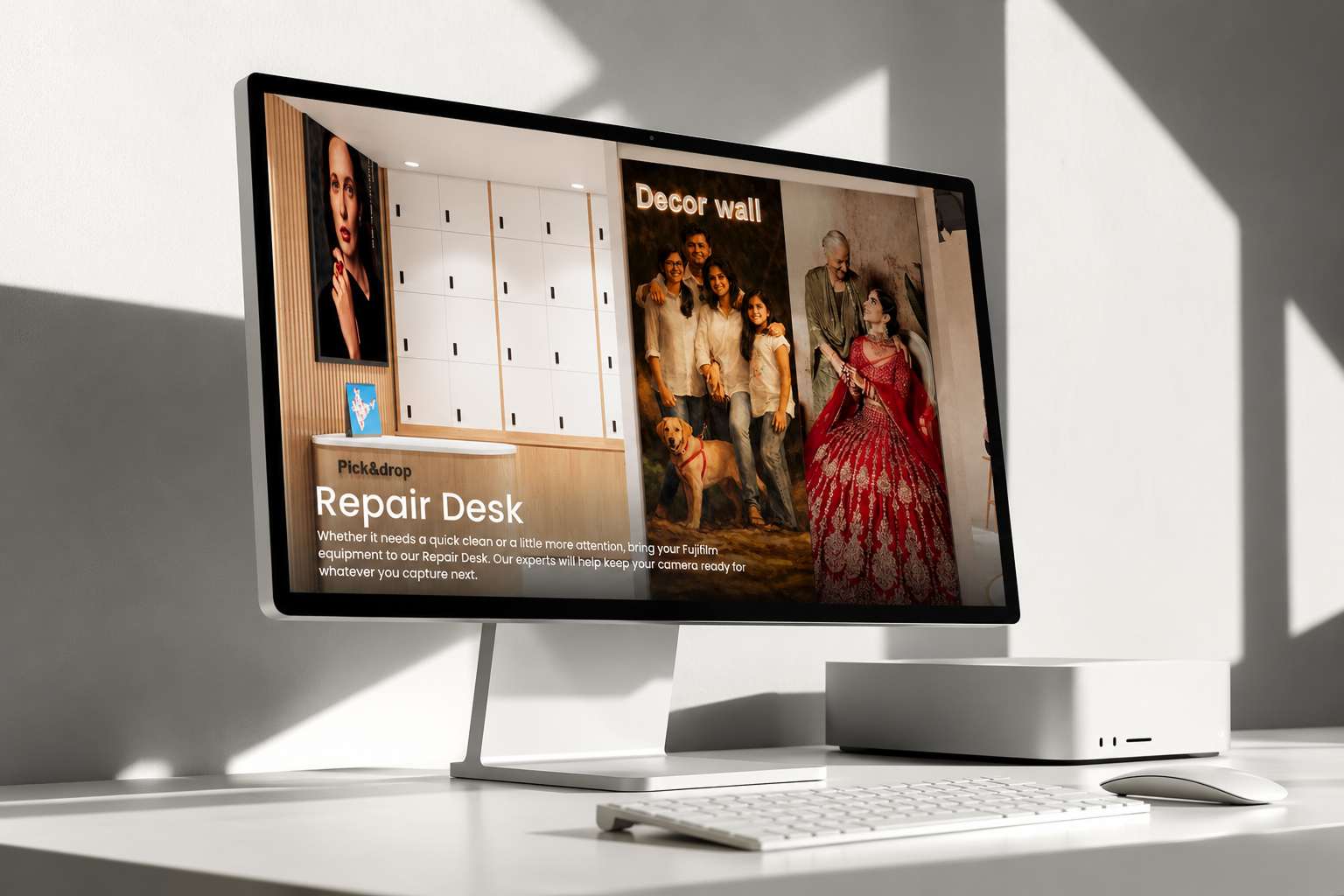
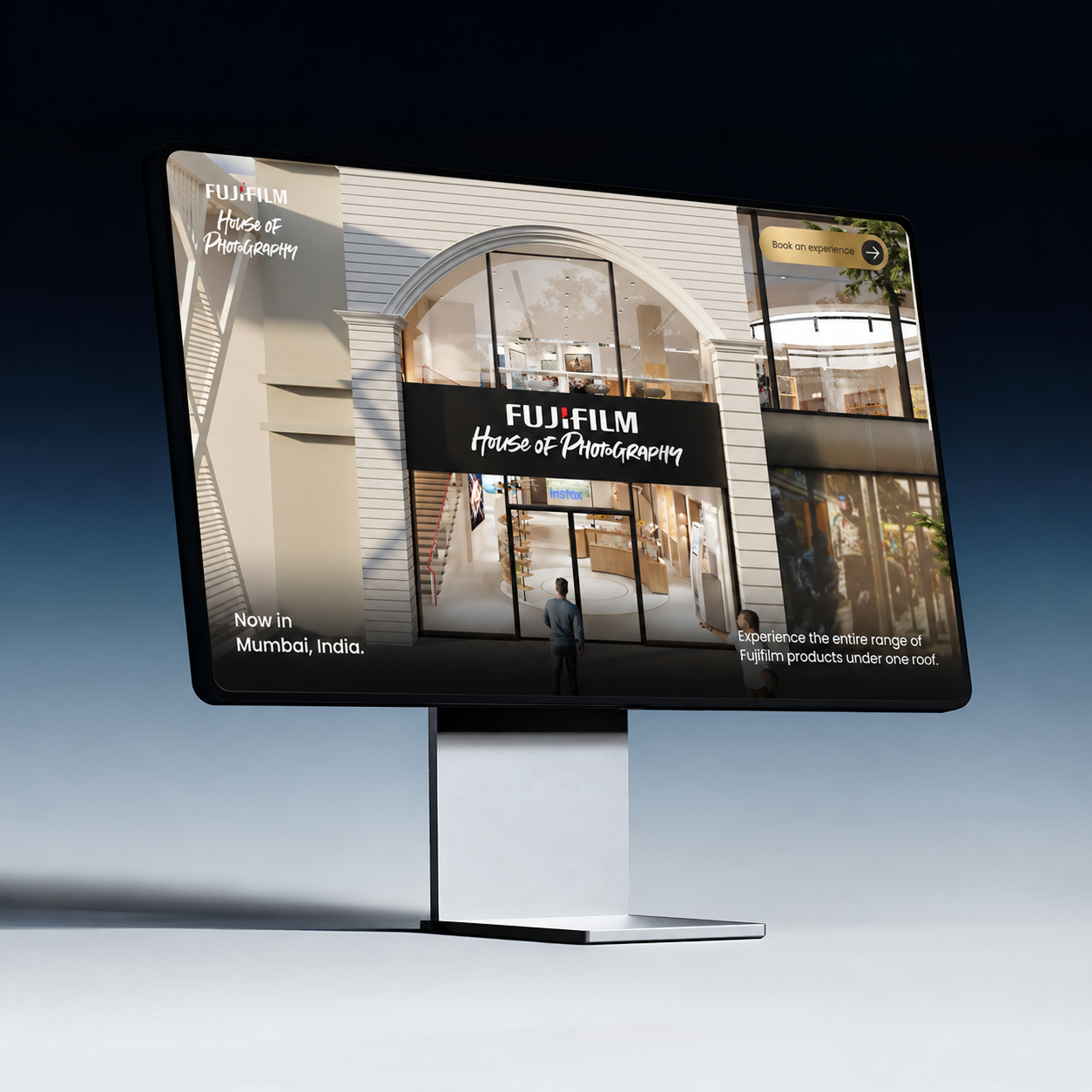
Fujifilm's House of Photography is more than a retail store. It's a space built around cameras, photography, creativity, learning, and the people who make images. The challenge wasn't to create another product-led retail website — it was to capture the feeling of being inside it and bring that experience online.
The Space
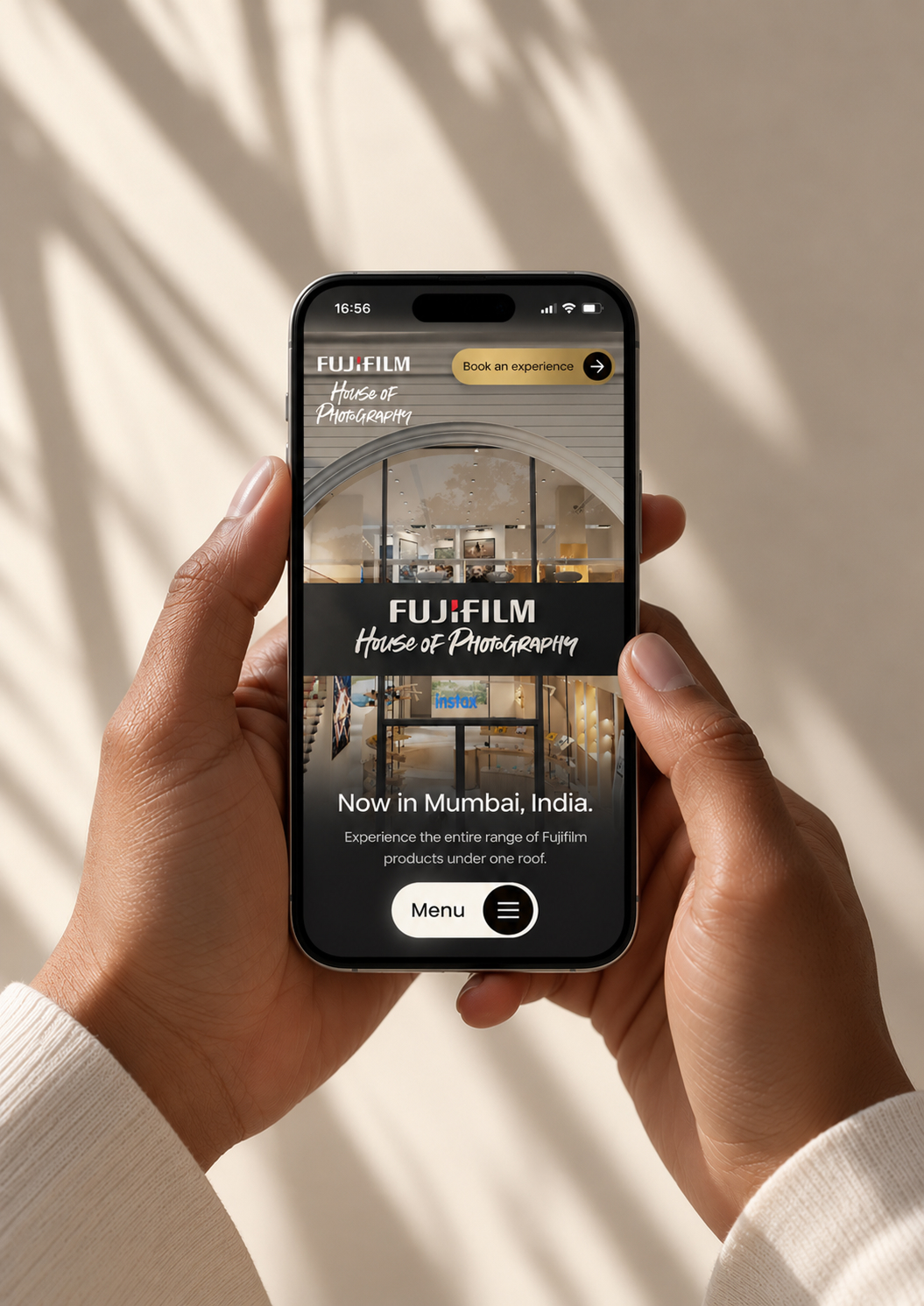
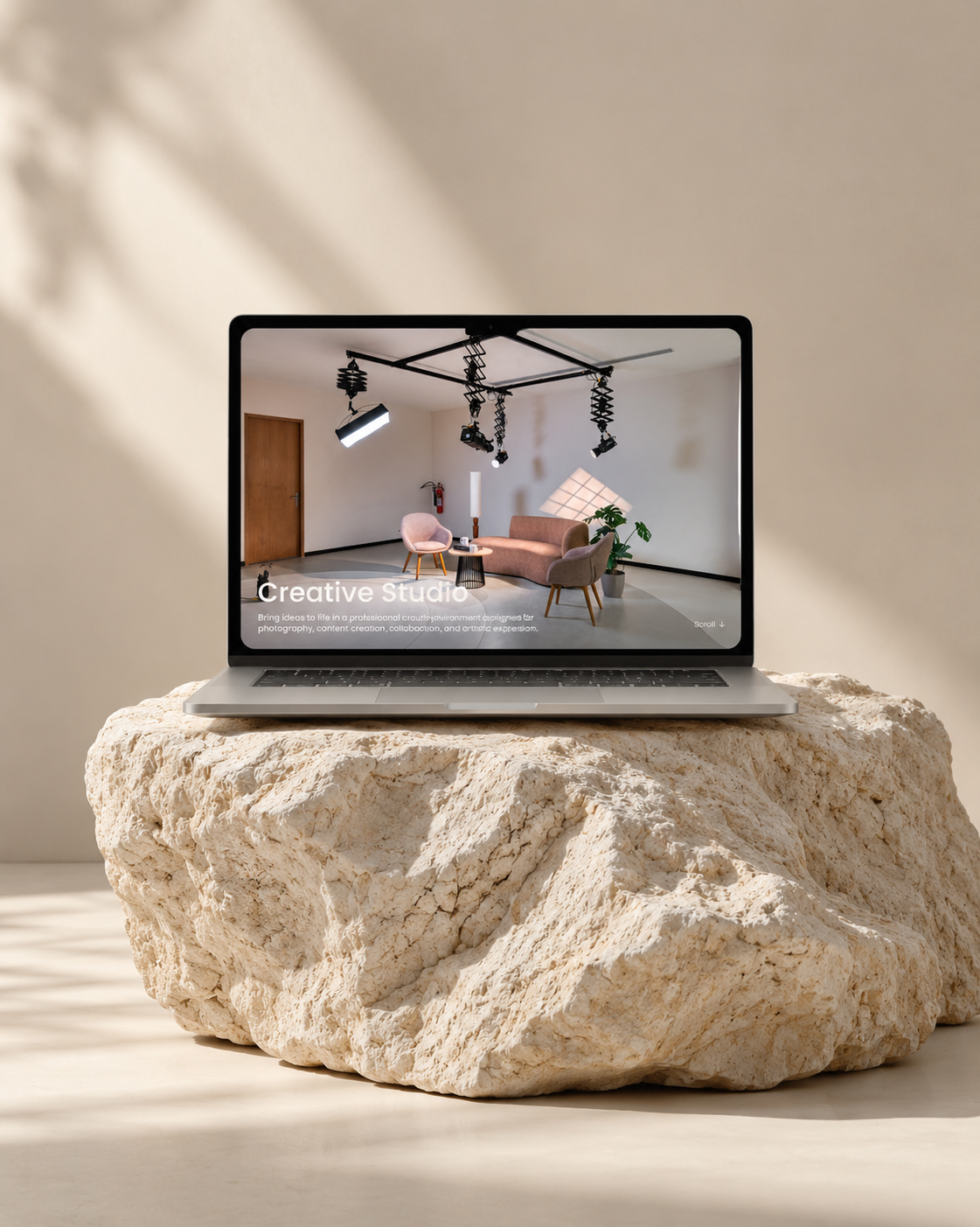
The visual language takes cues from the physical space: warm neutrals, natural wood, soft lighting, curved forms and generous layouts. Photography takes centre stage, while minimal typography and movement let the imagery do most of the storytelling.
The Journey
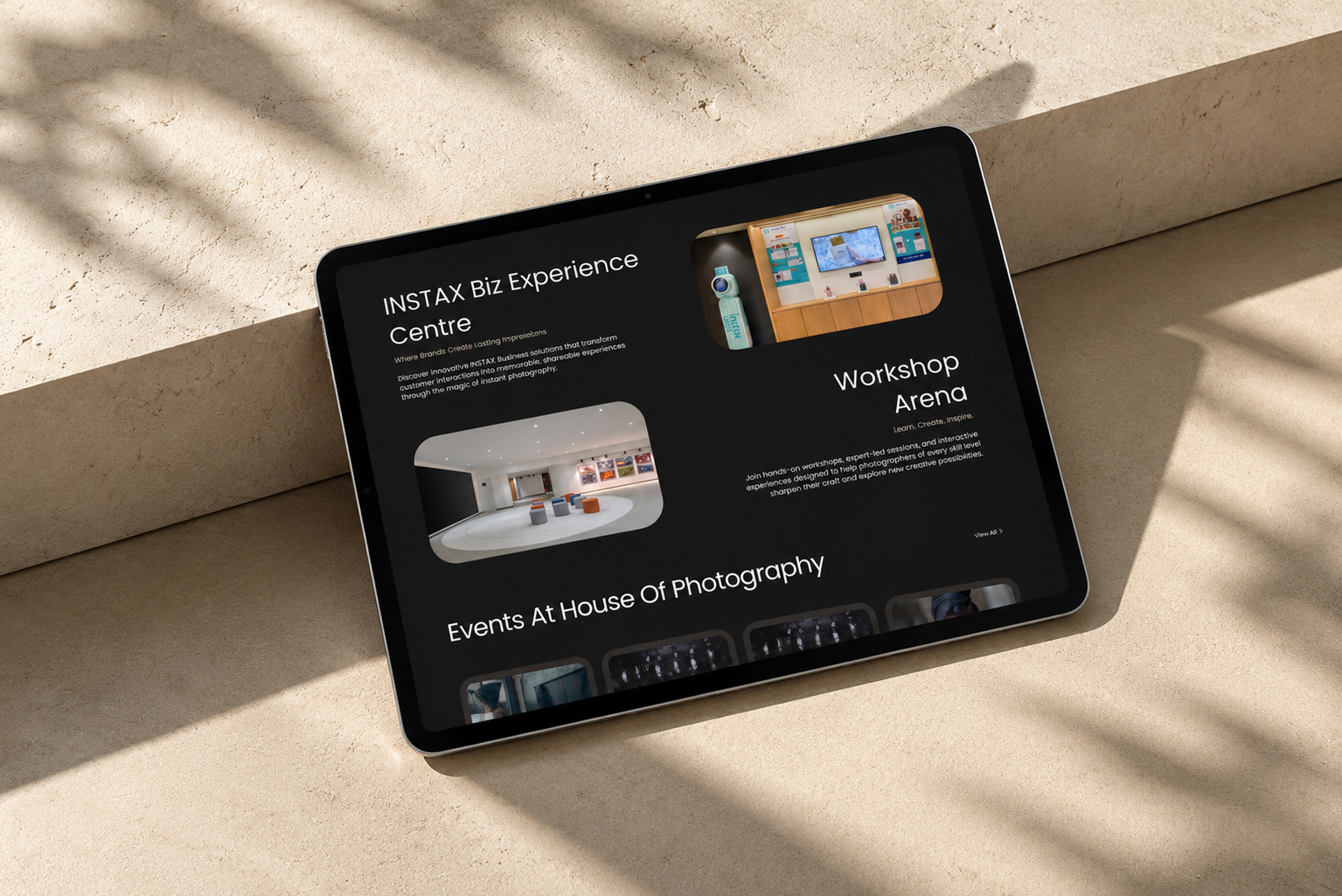
The experience is structured as a journey through the House. Instead of organising the website around products, we focused on what visitors can experience: exploring cameras, attending workshops, getting equipment repaired, discovering INSTAX, and spending time with photography. Motion became an important part of the experience — cinematic imagery, subtle transitions, and motion blur create the feeling of moving through the space, catching glimpses of displays and discovering something new around every corner. The registration experience extends this idea beyond the website. The Golden Ticket turns a simple store visit into something more like an invitation, connecting the digital experience to what visitors can expect when they arrive.
The Development
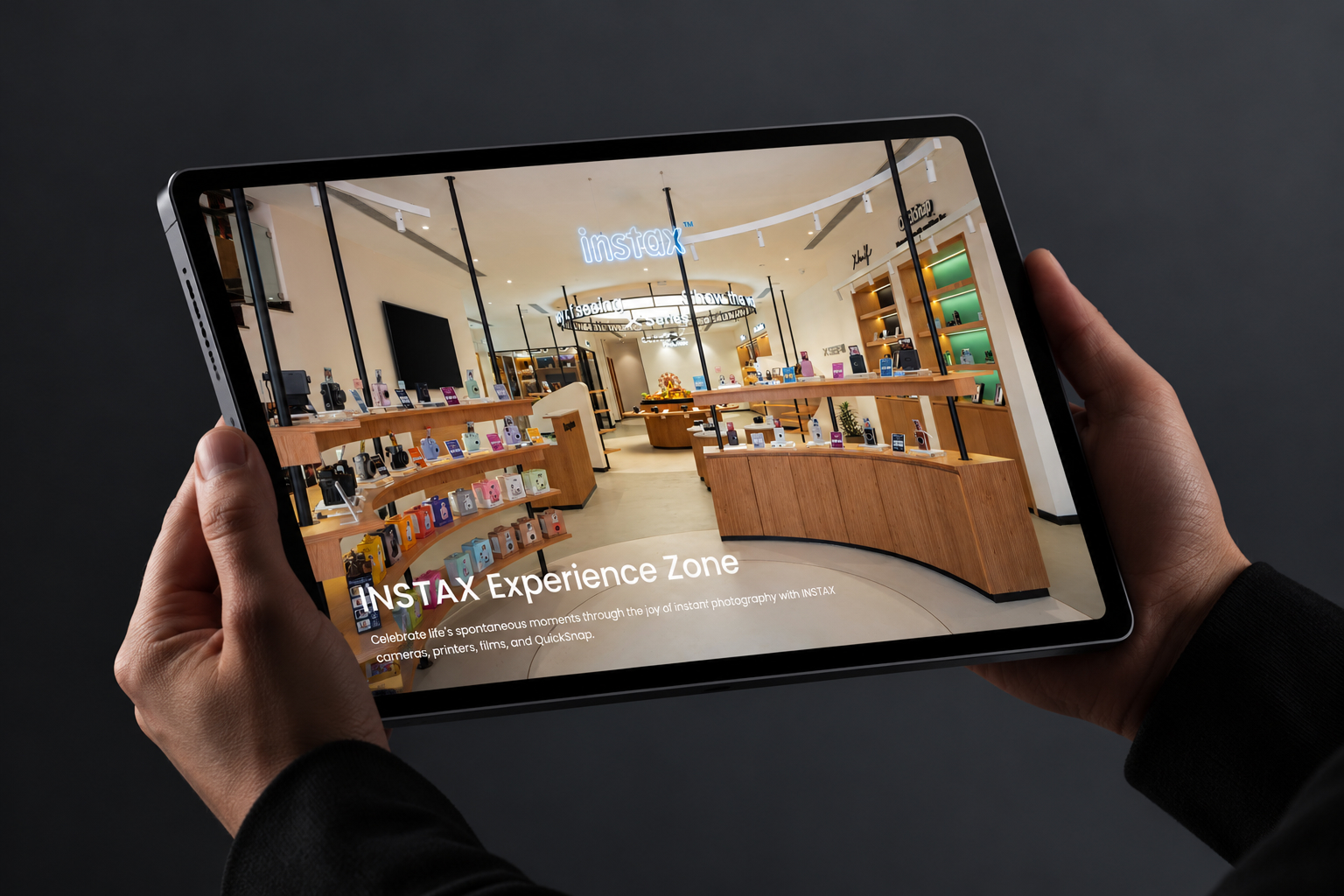
Bringing the visual direction to life came with a few challenges. The website relies heavily on large imagery, motion, and interactive elements, so everything had to feel smooth without making the experience unnecessarily heavy. We also made sure the layouts and interactions translated well across different screen sizes, especially as large imagery and curved elements were used. Another consideration was that the store's final photography wasn't available during development — we used 3D visuals as placeholders while keeping the system flexible enough to replace them with real photography later, without having to rethink the entire experience. What we built is less a retail website and more a digital doorway into the House of Photography.