
Project Concept
UX Psychology | Decision Making | Conversions
Published On
April 2026
Reading Time
5 min read

You’ve built your website, shared it across social media, and maybe even invested in ads to bring visitors in. Traffic is coming, but conversions, whether sales, enquiries, or sign-ups, are inconsistent or disappointing. This is a common challenge for many businesses.
It’s easy to assume the solution is to get more traffic. But in reality, the issue often lies within the website itself. Small gaps in messaging, design, performance, and user experience can quietly prevent visitors from taking action. The good news is that these problems are fixable.
Let’s break down the most common reasons your website isn’t converting and how you can turn it into a high-performing growth tool.
Your Message Isn’t Clear Enough
When someone lands on your website, they should instantly understand what you offer, who it’s for, and why it matters. If your messaging is vague, overly complex, or filled with jargon, visitors will leave without taking the next step.
Clarity is everything. Your homepage should communicate your core value within seconds. Avoid trying to say too much at once. Instead, focus on a simple and direct message that speaks to your ideal audience. Use clear headlines that explain your value, keep your language easy to understand, and focus more on benefits than just features. Consistency across all pages also helps build trust and understanding.
When your message is easy to understand, visitors feel more confident, and confident users are more likely to convert.
Define Your Audience Clearly
If you try to speak to everyone, you end up connecting with no one. Be specific about who your ideal customer is and tailor your messaging directly to their needs, challenges, and goals.
Highlight Your Unique Value Proposition
Clearly explain what makes you different from competitors. Whether it’s your approach, expertise, or results, your unique value should be easy to spot and remember.
Use Simple and Action-Oriented Language
Avoid technical jargon or complicated wording. Write the way your audience speaks and guide them with clear, action-driven phrases that encourage them to take the next step.
Keep Your Messaging Consistent Across Pages
From your homepage to your service pages, your tone, value proposition, and key messages should stay aligned. Consistency builds trust and reinforces your brand in the user’s mind.
Your Website Loads Too Slowly
Speed plays a critical role in conversion rates. If your website takes too long to load, visitors will likely leave before they even see your content. Slow loading times also affect your visibility on search engines, making it harder for people to find you.
Today’s users expect fast experiences. Even a small delay can reduce engagement and conversions significantly. A slow website creates frustration, while a fast one builds trust and keeps users engaged.
Improving speed involves optimising images, reducing heavy files, choosing reliable hosting, and removing unnecessary elements that slow down performance. When your website feels fast and responsive, users are more likely to stay and explore.

Your Layout Feels Outdated or Hard to Follow
First impressions matter more than ever. If your website looks outdated or cluttered, visitors may question your credibility within seconds. A confusing layout makes it harder for users to find what they are looking for, which leads to higher drop-offs.
Modern design is not just about looking good. It is about creating a smooth and intuitive experience. A clean layout with proper spacing, clear sections, and consistent styling helps users move through your website effortlessly.
Your design should guide visitors naturally from one section to another. It should also work seamlessly across all devices, especially mobile. When users feel comfortable navigating your website, they are more likely to take action.
Your User Experience Creates Friction
User experience plays a major role in whether visitors convert or leave. Even small issues like complicated navigation, unclear buttons, or long forms can create friction and discourage users from completing an action.
Every moment of confusion reduces the chances of conversion. Your website should feel simple, smooth, and easy to use. Visitors should not have to think too much about where to click or what to do next.
Improving user experience means simplifying navigation, reducing unnecessary steps, and making actions easy to complete. Clear and visible call-to-action buttons help guide users in the right direction. A seamless experience across all devices is also essential.
When the journey is smooth, more users reach the final step.
Simplify Your Navigation Structure
Keep your menu clean and easy to understand. Limit the number of options and organize pages logically so users can find what they need without confusion.
Reduce Form Fields and Steps
Long or complicated forms can feel overwhelming. Only ask for essential information and break processes into smaller, manageable steps if needed.
Make Call-to-Actions Clear and Visible
Buttons like “Get Started” or “Contact Us” should stand out visually and clearly communicate the next step. Avoid vague labels that leave users guessing.
Ensure Mobile Responsiveness
A large portion of users browse on mobile devices. Your website should be fully responsive, with fast loading times and easy navigation on smaller screens.
Your Content Is Not Built for Search Engines
If your content is not optimised for search engines, you are missing out on valuable traffic. Even the best-designed website cannot convert if the right audience is not finding it.
Search engine optimisation helps your website appear when people are actively searching for solutions you offer. This brings in users who are already interested, which increases the likelihood of conversion.
Good content should be both helpful and easy to understand. It should answer real questions, provide value, and use relevant keywords naturally. Proper structure, including clear headings and organised sections, also improves readability and search visibility.
When your content connects with both users and search engines, your website becomes easier to discover and more effective at converting visitors.
You Are Not Guiding Visitors Toward Action
Many websites fail because they do not clearly tell users what to do next. Visitors may be interested in your offering, but without direction, they leave without taking action.
A strong call-to-action is essential for guiding users. Whether it is contacting you, requesting a quote, or making a purchase, users need clear instructions.
Your website should lead visitors step by step toward a goal. Clear, visible, and well-placed calls-to-action make it easier for users to take the next step. When users know exactly what to do, they are more likely to do it.
Your Website Can Become a High-Performing Growth Tool
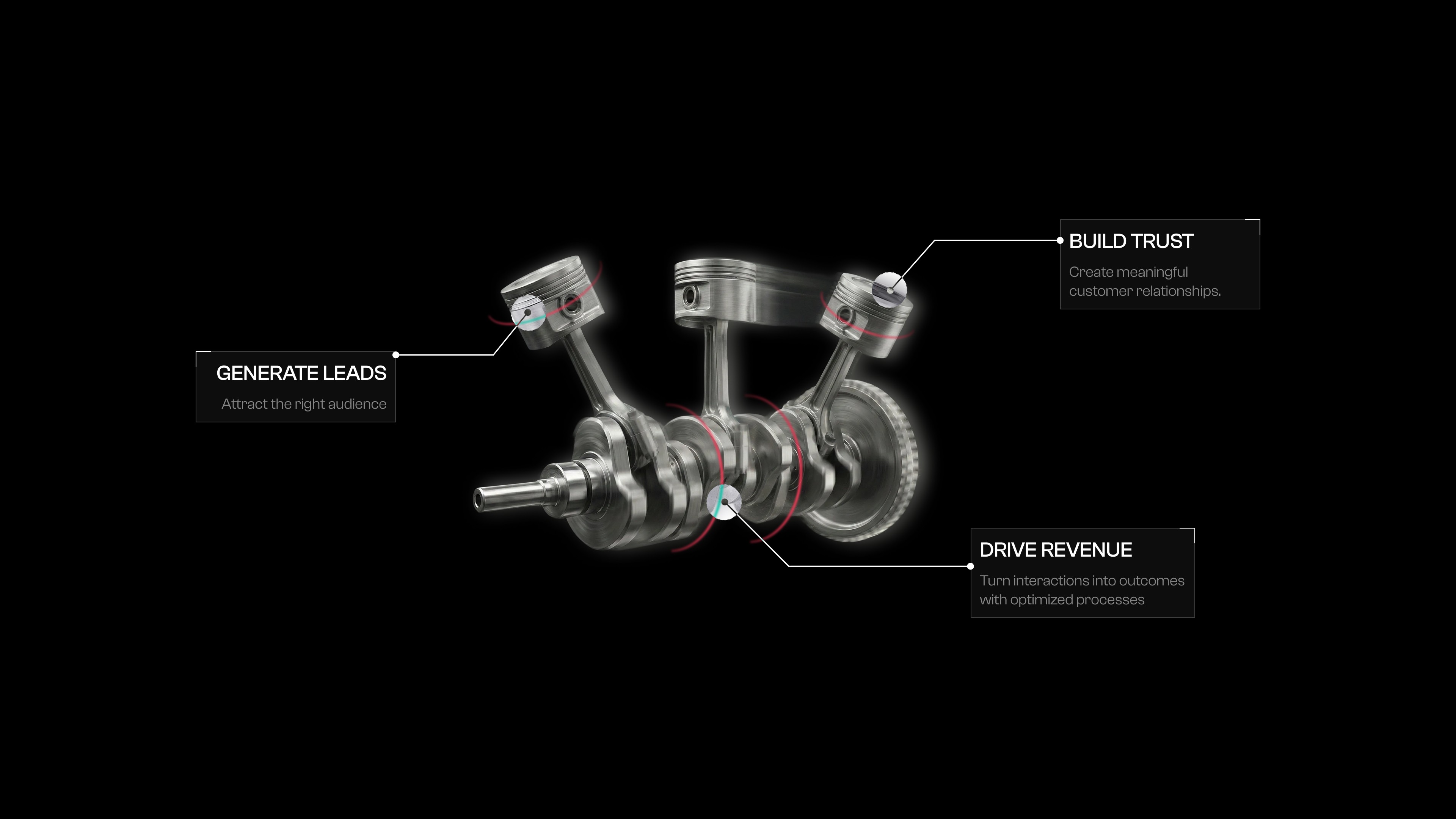
A website is more than just an online presence. It has the potential to become a powerful tool for growth. When optimized correctly, it can consistently generate leads, build trust, and drive revenue.
Improving conversions does not always require a complete redesign. In many cases, small and strategic changes can create a big impact. Focusing on clarity, speed, design, user experience, content, and guidance can transform your website into a high-performing asset.
The key is to understand your users and design your website around their needs. When your website aligns with user expectations, conversions happen naturally.
What This Means for Your Business
A website that does not convert affects your overall business growth. Every visitor who leaves without taking action represents a missed opportunity.
By improving your website, you can get better results from your existing traffic. This means higher returns on your marketing efforts, stronger trust with your audience, and more consistent leads and sales.
Instead of focusing only on bringing more visitors, optimising your website ensures that the visitors you already have are more likely to convert.
Higher Return on Investment (ROI)
When your website converts better, you get more value from the same marketing spend. Every click, visit, and campaign becomes more effective.
Stronger Brand Credibility
A well-optimized website builds trust and positions your business as professional and reliable, making users more comfortable taking action.
More Consistent Lead Generation
With improved conversion paths, your website becomes a steady source of leads instead of relying only on unpredictable traffic spikes.
Better Customer Experience and Retention
A smooth and clear website experience not only converts visitors but also encourages them to return, increasing long-term customer value.
How We at Interactive Studio Help You Build a Converting Website?
At Interactive Studio, we believe that a website should not just look good; it should perform and deliver real results. Our approach is focused on building websites that converts traffic into customers.
We begin by understanding your business, audience, and goals. This helps us create a clear messaging that connects with the right people. We design modern and user-friendly layouts that guide visitors smoothly through your website.
We also focus on performance, ensuring that your website loads quickly and works seamlessly across all devices. Every element is carefully designed to reduce friction and improve engagement.
Our content strategy combines clarity with search optimization, helping your website reach the right audience, while delivering meaningful value. Most importantly, we focus on conversion by creating strong CTAs and intuitive user journeys.
We create growth tools that help your business succeed online.
If your website is not converting as expected, it can be improved. With the right strategy and execution, it can become one of your most valuable assets.