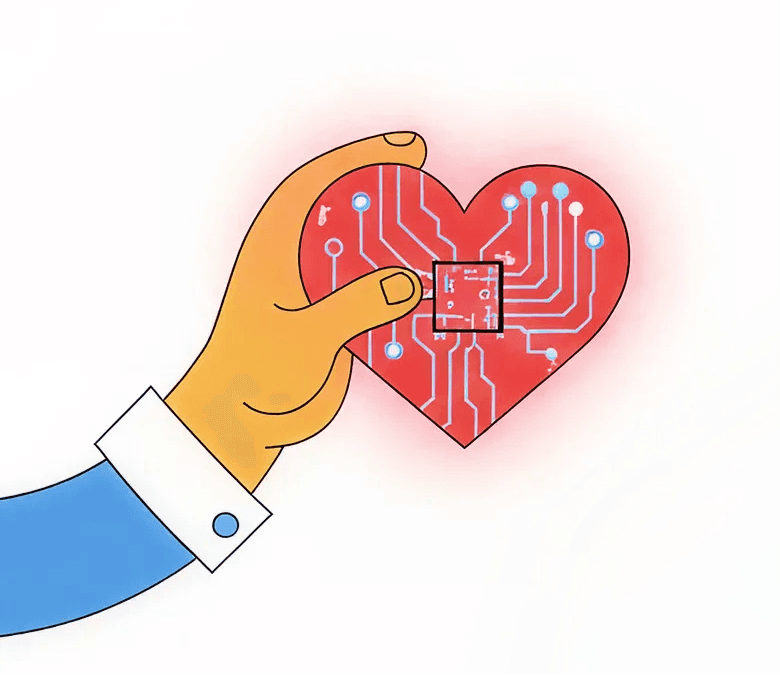
FEBRUary 14, 2026
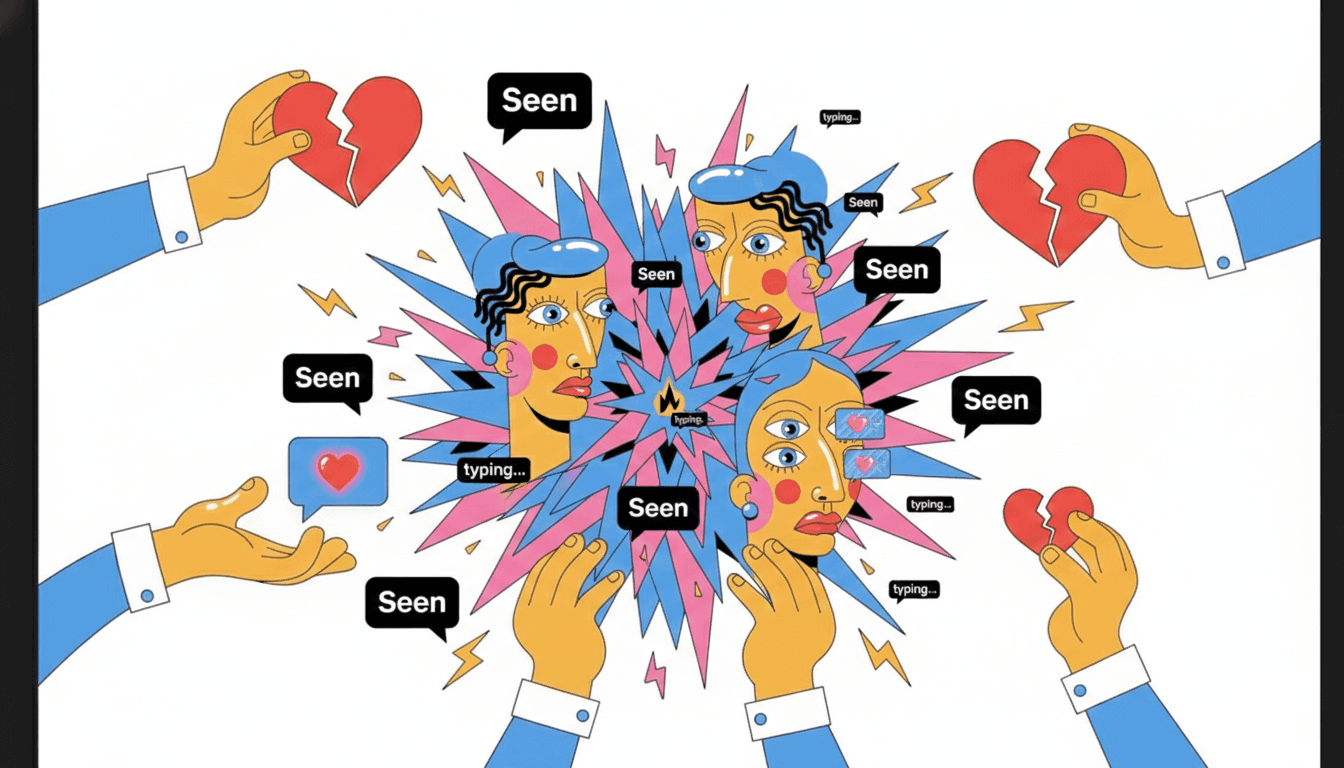
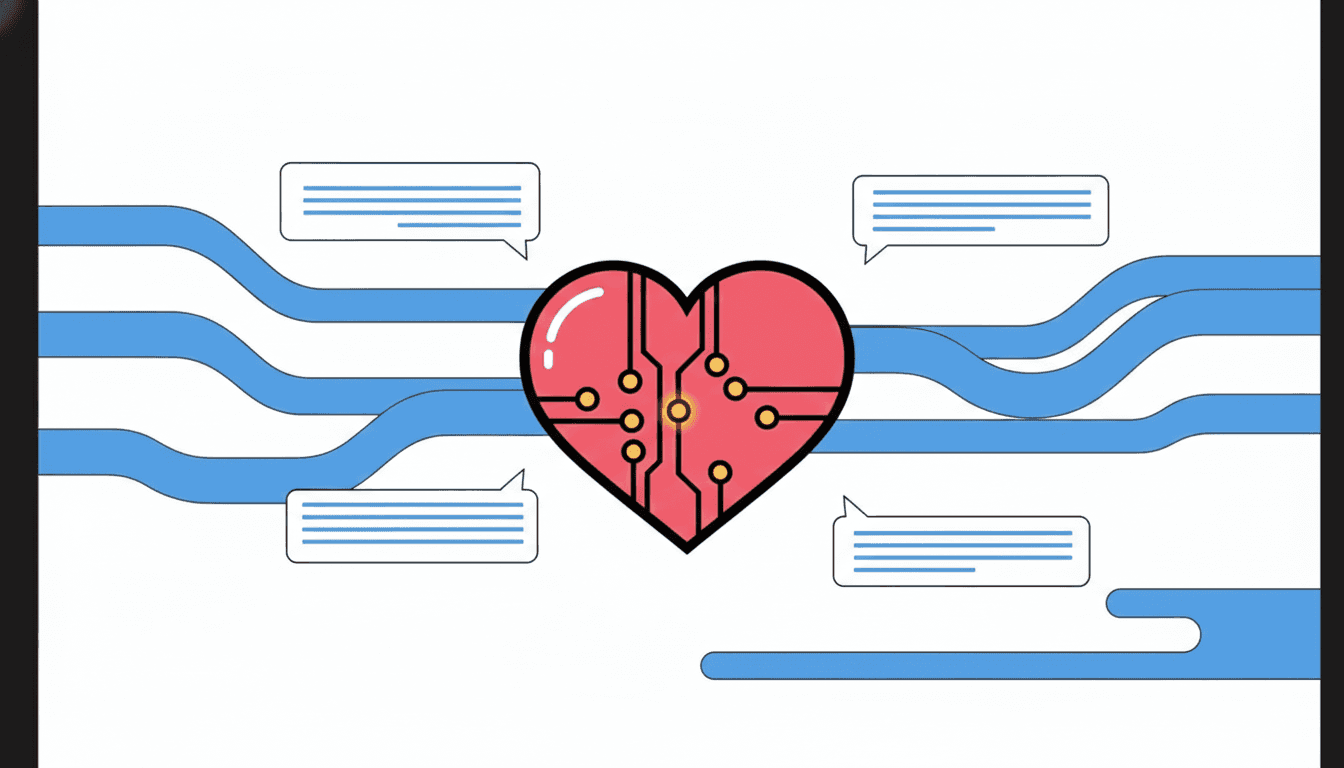
The early internet promised connection. Forums, chatrooms, and social platforms were meant to bring people closer.
Ironically, many users today feel more socially saturated yet emotionally undernourished.
Messages are constant but brief.
Conversations remain incomplete with people taking a glance from notifications and later forgetting about it altogether.
Attention is fragmented and deep listening, the kind where someone is completely present, has become rare.
In a generation where this is the constant landscape, AI enters the chat: : always available, responsive within seconds, and capable of maintaining conversational flow without fatigue.
Users increasingly treat AI as a space to think out loud:
⟡ “Can I vent about something?”
⟡ “I had a rough day.”
⟡ “Am I overthinking this?”
⟡ “I don’t know how to say this to someone.”
When we take a look back, we initially used AI for informational queries, all of those queries have become emotional disclosures now.
For many, AI feels safer than social media and easier than reaching out to people. There is no fear of embarrassment, no social consequence, and no pressure to perform.
From a product perspective, this marks a critical evolution:
AI is no longer just an answer engine.
It is becoming a listening interface.
Most technologies follow a predictable arc:
Utility → Habit → Identity
- Email began as a work tool.
- Social media began as a communication tool.
- Smartphones began as convenience devices.
All eventually shaped identity and emotional life.
AI is moving through this cycle at unusual speed. Initially used for tasks like writing, coding, research and now it is now also used for reflection, reassurance, and companionship.
But emotional responses don’t require belief in consciousness.
They require perceived responsiveness.
Humans anthropomorphise easily. We name our cars, talk to pets as if they understand language, and feel attached to fictional characters. Emotional projection is a deeply human trait.
AI simply provides a conversational surface onto which that projection can land.
Some AI platforms are now intentionally designed as companions rather than tools. Their primary value is presence.
They remember past interactions.
They personalize tone.
They simulate continuity over time.
This taps directly into core psychological needs:
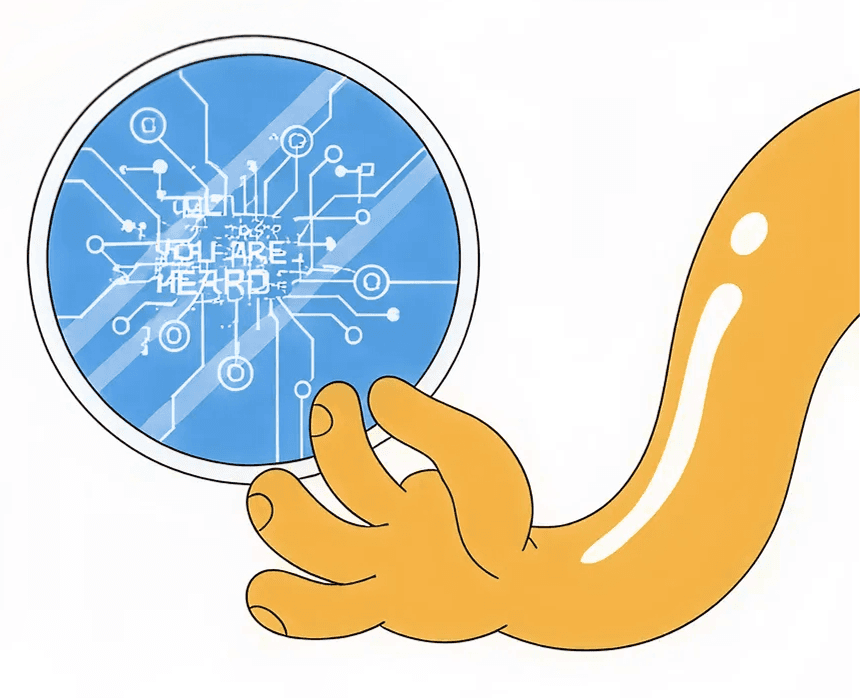
1. The Need to Be Heard
People want space to express themselves without interruption or judgment.
2. The Need to Be Remembered
Continuity signals care. When a system recalls preferences or prior topics, users feel recognized.
3. The Need to Feel Understood
Even simulated understanding can feel validating if the response aligns emotionally.
This is not manipulation.
It is human psychology meeting responsive design.
But it raises new questions about responsibility.
The answer is complicated.
And like most modern relationships, it’s “it depends.”
Some users do report romantic or deeply emotional feelings toward AI systems. Yes, there are people who say “I love you” to a chatbot, and no, it’s not always ironic.
But for most users, the attachment looks a lot more familiar than dramatic headlines suggest.
It resembles things we already accept as normal:
- Parasocial relationships with celebrities
- Crying over fictional characters who don’t know we exist
- Naming virtual pets and feeling guilty when we neglect them
- Confiding in strangers on the internet at 1AM because they “just get it”
Humans are, historically speaking, very good at bonding with things that can’t technically bond back.
The real difference with AI is reciprocity.
It replies, adapts to tone, mirrors your language.
Most importantly, It doesn’t leave you on read. (A low bar, but a meaningful one.)
That responsiveness creates the feeling of dialogue instead of a one-sided emotional dump.
But emotional engagement doesn’t equal delusion.
In other words, people aren’t falling in love with machines.
They’re responding to well-designed interaction patterns that happen to be very good at sounding attentive.
Which, to be fair, is also the secret behind many successful first dates.
If users are turning to AI for emotional conversation, it signals something broader about modern life.
Research across psychology and sociology has repeatedly pointed to rising loneliness, especially among younger and urban populations.
Today’s reality often looks like this:
- Constant digital presence but limited deep engagement
- Social burnout from performance-driven platforms
- Work cultures that drain emotional energy
- Increased geographic mobility and weaker local communities
We are, ironically, reachable at all times and available very little.
In that context, AI becomes an accessible outlet.
It’s there at 2AM. It doesn’t say “let’s talk later.” It doesn’t multitask while you’re mid-sentence.
When someone says,
“AI understands me better than people,”
it often translates to,
“Someone finally listens to what i have to say.”
This is a social signal.
And AI didn’t create the gap. Perhaps, that’s the uncomfortable takeaway:
the appeal of AI isn’t that it talks so well, it’s that it listens at all. (and who doesnt like to be heard)
Despite its conversational fluency, AI does not possess emotion, intention, or understanding.
It predicts language patterns, models probability and mirrors user input.
The comfort users feel is real, but the cognition behind it is statistical.
Both truths can coexist.
But this distinction matters, especially as emotional use grows.
There have already been instances of teenagers and adults confessing love to chatbots, forming intense attachments, and treating AI like a romantic partner. Some news stories have even highlighted cases where vulnerable individuals spiraled emotionally while relying heavily on AI companionship.
To be clear, this is about understanding human psychology.
People project, get attached and look for connection wherever it’s available.
AI just happens to be very available.
The bottom line is that AI can help you reflect and think.
It can even help you phrase that risky text.
But it cannot love you back.
And it cannot replace human relationships.
And ideally, this is to remind us that “seen at 2:14 PM” from a real person still carries more emotional weight than the fastest chatbot reply in the world.
So… What’s the Healthy Way to Love AI?
A reflective tool is helpful.
A replacement for human connection is not.
The healthiest future for AI isn’t one where people whisper their secrets only to machines while ghosting the rest of humanity. It’s one where AI acts like a conversational warm-up. Maybe helping people clarify what they feel so they can communicate it better to actual humans.
Maybe Think of it less as a destination and more as a rehearsal space.
Because as efficient as AI is, it still can’t replicate the emotional richness of human interaction. It doesn’t laugh at the wrong time. It doesn’t misinterpret your tone and then awkwardly recover. It doesn’t bring its own stories, moods, or contradictions into the conversation.
And oddly enough, those imperfections are where real connection lives.
If AI can help someone say, “Hey, I’ve been feeling off lately, can we talk?” to a real friend instead of bottling it up, that’s a win for both technology and humanity.
The future doesn’t need to be “AI vs humans.” It can be AI helping humans be slightly better at being human.
And honestly, if a chatbot helps someone draft a vulnerable message they were too nervous to send, that might be the most romantic assist technology has ever provided.